













The fall season may very well be the most critical time of the year to take steps to ensure a healthy lawn. With winter approaching, there are a number of procedures that are best done in the fall, helping to prep the lawn for its winter “break” before spring rolls back around. Lawncare professionals agree on a number of activities homeowners should take in the fall before the first frost arrives. Some helpful hints include:
Keep watering the lawn in the fall. There are still dry periods in the fall; don’t just assume that once summer is over, watering won’t need to be done. Experts feel that lawns should receive at least one inch of water per week at this time of year. Watering will help provide food, keep the lawn hydrated and healthy, and help prevent disease.
Consider aerating the lawn at least once annually. Especially if the lawn is heavy with clay-rich soil, this should be done. Extracting plugs from the lawn (which will dissolve in a few days), this combats thatch, which is a thick layer of stems, roots, and debris. This procedure allows nutrients, water, and oxygen to get down into the grass roots. Fertilization directly after aeration really makes both of these activities much more effective. It is also recommended mowing the day before aeration, and taking two passes over the lawn with an aeration machine (easily rented at a Lawn & Garden Center).
Fertilize in the fall. Even if aeration doesn’t happen in the fall this year, this is the best time of year to fertilize. The grass needs this boost of proper nutrients prior to winter weather setting in, getting the lawn in good and healthy shape for the spring. Though grass may appear ‘done’ for the season and may be looking dormant, the roots still take in the valuable nutrients fertilizer provides.
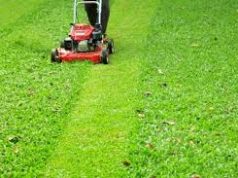
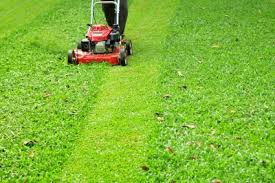
Mow a bit shorter than normal. Setting the mower to between 1.5 inches and 3 inches will lessen the chance of snow mold forming. The last cut of the season should ideally happen right before the first frost, generally in late October to early November.
Other tips to consider. If you plan on re-seeding dead areas in the lawn, this is the season to do it. Once re-seeded, water re-seeded areas twice a day until the grass is approximately 1.5 inches in length. Then, use a Starter Fertilizer on these re-seeded areas.
Keep up on the raking, doing so at least once a week. If not done, these leaves block out sunlight and trap harmful fungi.